Practical ceramic knowledge
Practical Ceramic Articles
Troubleshooting, materials, firing, production, and equipment guidance for ceramic work.
50 articles available
Showing 48 of 50 unique articles
Automation
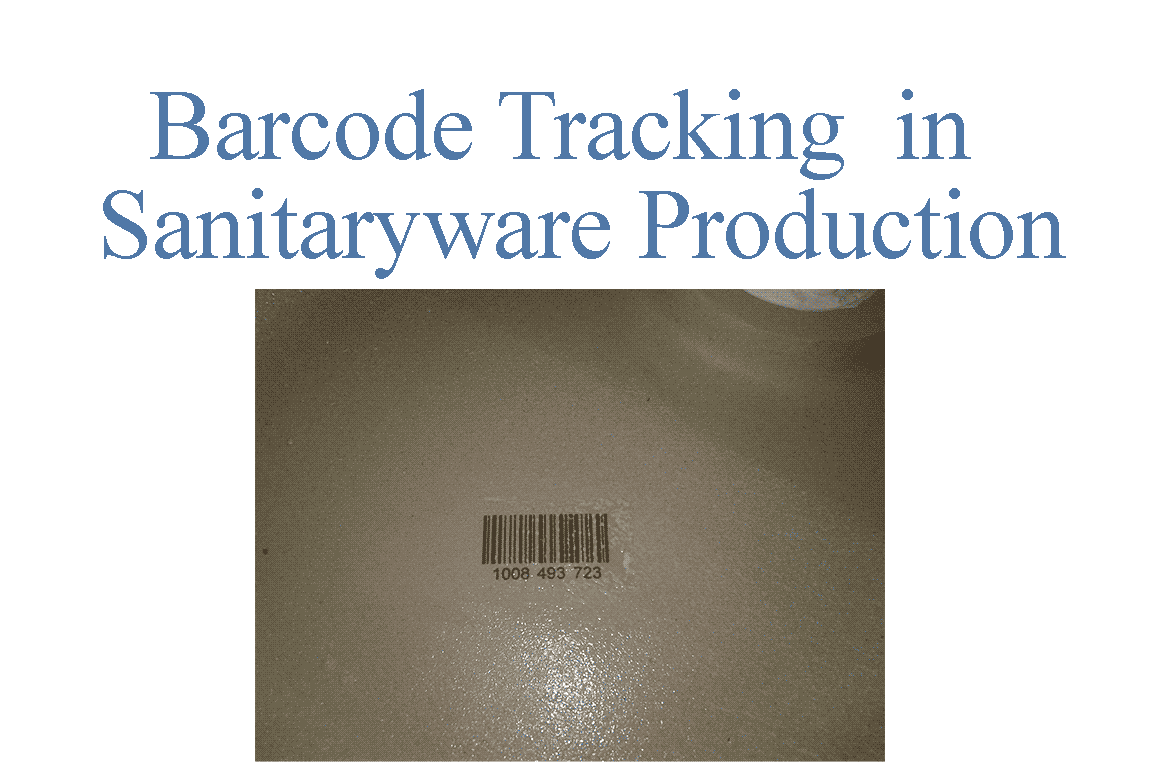
Barcode Tracking in Sanitaryware: An Overview
Bar code tracking is used in Sanitaryware production line to find real time and accurate information about the work in process product, stock inventory in every stage of the production. Procedure: Barcode tracking in sanitaryware https://www.youtube.
Venkatmani

Raw Materials
Ball Clay: Processing, Properties, Uses & Formulas
Comprehensive Guide to Ball Clay: Properties, Composition, Processing, and Applications Ball clay is a kaolinite-rich secondary clay known for its distinctive dark brown to black color, transitioning to white or light cream upon firing. This versatil
Venkatmani
28
Market & Suppliers
Top 100 Sanitaryware Manufacturers in Morbi (India)
Here is the list of top best 50 Sanitaryware manufacturing company(manufacturers) in Morbi. Get their address, E-Mail ID, Location, Product produced and other details about the industry. Morbi is known as a ceramic hub of India. In Morbi, more than 5
Venkatmani
71
Raw Materials
Ball Clay vs China Clay (Kaolin): 10 Major Differences
Clay is the major contributor to the dry and fired properties of the ceramic body. It is used in almost 60% of traditional ceramics. This clay is classified into two types: one is ball clay, and the other one is China clay (kaolin). Both clays have t
Venkatmani
1
Raw Materials
What is Than Clay / Grey Than Clay / Washed Than Clay?
Fire clay that is mined in the region of Thangadh, Gujarat is known as Than clay. This clay is widely used in Thangadh and Morbi ceramic factories (especially sanitaryware industry). This Than clay has high refractoriness, medium plasticity, and low
Venkatmani
Raw Materials
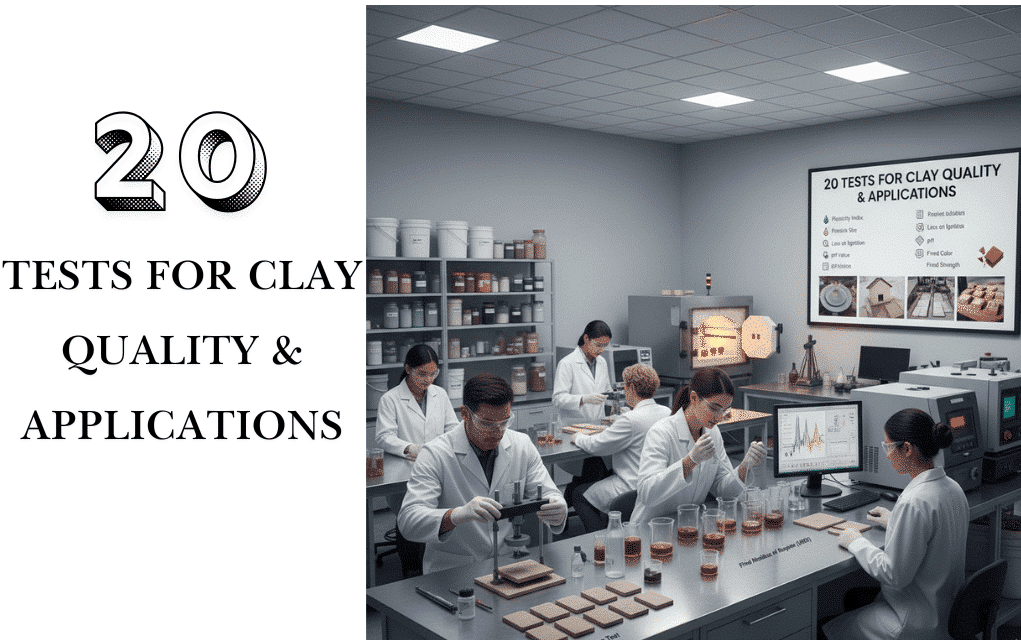
20 Tests to determine Clay Quality and Applications
Clays are used in different industries and processes based on their property requirements. Therefore, clay is tested for various properties to better understand its behavior. Below are the twenty-plus tests to understand the clay properties. These te
Venkatmani
Raw Materials
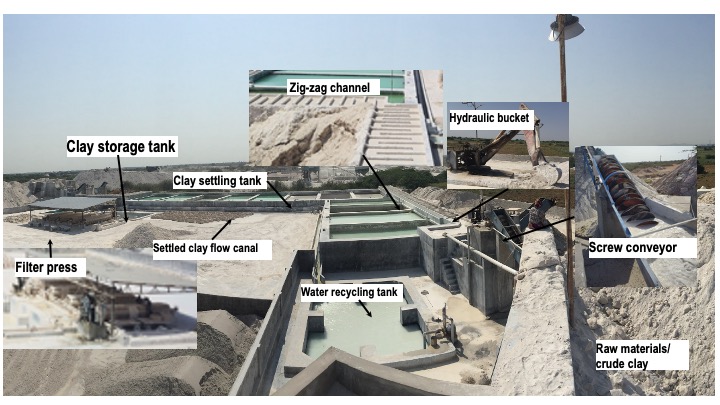
Levigated Clay: Levigation Process Steps of Crude Clay
The crude clay excavated from the ground consists of clay, sand, small stones, organic material, and other heavy minerals. The percentage of clay in the crude can be as low as 8%. The recovery of the clay varies based on the deposits. So a process is
Venkatmani
Manufacturing
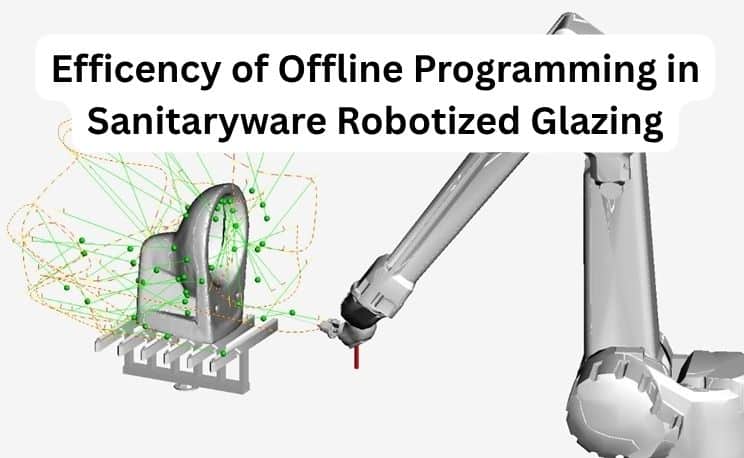
Efficency of Offline Programming in Sanitaryware Robotized Glazing
Robotic glazing of sanitaryware has become a key element in modern sanitaryware manufacturing, helping plants achieve consistent quality, stable production, and reduced manual dependency. However, the true efficiency of robotic glazing depends not on
Venkatmani
Raw Materials
Black Matte Ceramic Glaze Formulation for Sanitaryware/Tableware
Black matte glaze in sanitaryware is one of the most challenging finishes to achieve consistently. Learn the formulation, firing curves, and troubleshooting techniques for reliable results.
Venkatmani
Careers
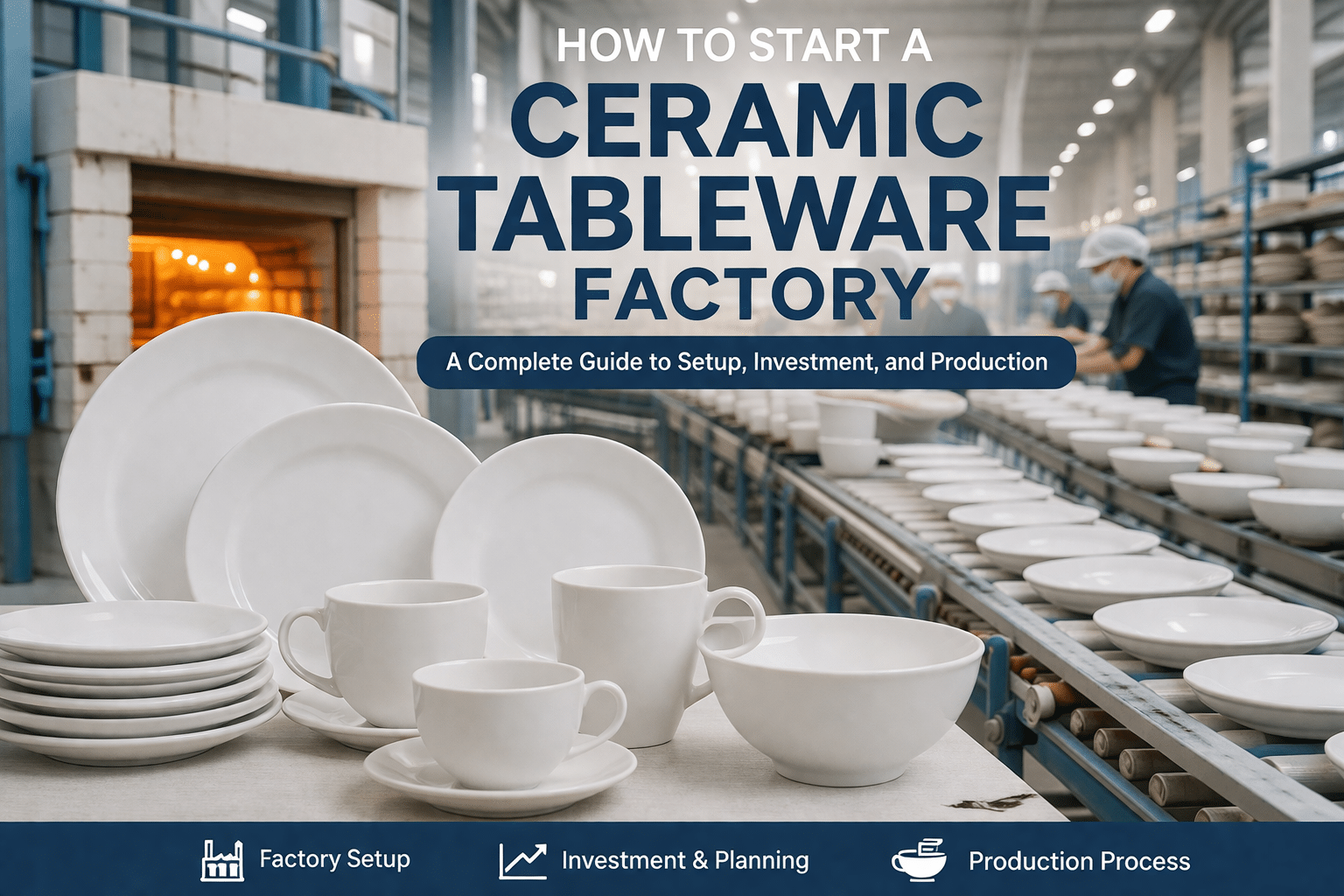
How to Start a Ceramic Tableware Factory
Starting a ceramic tableware factory can be a good business opportunity if it is planned properly. Before making the final decision, it is important to understand the technical, financial, and production-related points involved in this industry. Many
Venkatmani
Raw Materials
Blue-Green Matte Ceramic Glaze Formulation Guide
Learn about blue-green matte ceramic glaze formulation, raw material composition, firing tips, and how to achieve consistent colour and finish.
Venkatmani
Manufacturing
Production Process of Slip in Ceramic Manufacturing
Learn about the production process of slip in ceramic manufacturing, covering milling, sieving, magnetizing, aging, and slip storage methods.
CeramicNinja
Manufacturing
Glaze Production Process in Ceramic Manufacturing
Learn about the glaze production process in ceramic manufacturing, covering batching, milling, sieving, iron removal, and binder addition.
CeramicNinja
Testing & Laboratory
Sieve Residue Test for Tile Slip and Glaze
Practical guide to sieve residue testing for tile slip and glaze, including 63 micron and 45 micron checks, mill outlet screening, spray dried powder control and residue troubleshooting.
Venkatmani
Testing & Quality
Shrinkage Test for Ceramic Body: Methods & Analysis
Learn how the shrinkage test is done for ceramic body and slip. Covers types of shrinkage, test procedure, and the shrinkage calculation formulas.
CeramicNinja
Testing & Quality
MOR Test for Ceramic Products: Methods & Analysis
Learn what MOR (Modulus of Rupture) test is and how it is done for ceramic products. Covers the test procedure, calculation formula, and its importance.
CeramicNinja
Testing & Quality
Warpage Test for Ceramic Body: Methods & Analysis
Learn how the warpage test is done for ceramic body and slip. Understand the test method and why low warpage is important for fired ceramic products.
CeramicNinja
Testing & Quality
LOI Test for Ceramic Raw Materials: Methods & Analysis
Learn what LOI (Loss on Ignition) test is and how it is done for ceramic raw materials. Covers the step-by-step method and LOI calculation formula.
CeramicNinja
Testing & Quality
Casting Rate Test for Ceramic Slip: Methods & Analysis
Learn how the casting rate test is done for ceramic slip. Understand the test procedure, key measurements, and its importance for sanitaryware.
CeramicNinja
Testing & Quality
Water Absorption Test for Ceramic Fired Products: Methods
Learn how water absorption is tested in ceramic fired products. Understand the step-by-step method and the accepted limit for sanitaryware.
CeramicNinja
Testing & Quality
Colour Test for Ceramic Glaze: Methods & Analysis
Learn how colour testing is done for ceramic glaze and raw materials using a spectrophotometer. Covers L*, a*, b* values and colour difference.
CeramicNinja
Testing & Quality
Density Testing of Ceramic Slip: Methods & Analysis
A pycnometer is used to check the density of slip.
CeramicNinja
Testing & Quality
Fired Glaze Color in Ceramics: Testing & Analysis
Learn how the fired glaze colour is tested using a spectrophotometer. The LAB value and delta E help check colour consistency between batches.
CeramicNinja
Testing & Quality
Lab Testing in the Glazing Department for Ceramics
The Lab tests moisture content and glaze flow in the glazing department to make sure sanitaryware is processed correctly before spraying.
CeramicNinja
Testing & Quality
Drying Time Test for Glaze in Ceramic Manufacturing
The drying time test for glaze uses a metal ring of 50mm diameter and 3mm thickness to measure how fast glaze dries on a clay piece.
CeramicNinja
Testing & Quality
Heat Work with Buller's Rings in Ceramic Kiln Firing
Bullers rings are used for understanding the heat work in the kiln, providing better insights than just monitoring the temperature profile. In a tunnel kiln, the number of Bullers rings used each day depends on factory requirements since they add to production costs.
CeramicNinja
Defects
Crack Defect in Ceramics: Causes & Analysis
Learn about crack defect in ceramics, its causes like clay content, shrinkage, and slip properties, and how to prevent it.
CeramicNinja
Defects
Pinhole Defects in Ceramics: Causes & Analysis
Learn about pinhole defects in ceramics, causes like trapped air bubbles and mould issues, and how to prevent them.
CeramicNinja
Defects
Warpage Defect in Ceramics: Causes & Analysis
Learn about warpage defect in ceramics, its causes like uneven drying, design complexity and firing issues, and how to prevent it.
CeramicNinja
Defects
Pitting Defect in Ceramics: Causes & Analysis
Learn about pitting defect in ceramics, its causes like gas entrapment and improper firing, and best practices to prevent it.
CeramicNinja
Defects
Bloating Defect in Ceramic Tiles: Causes and Cure
Bloating in ceramic tiles is fired-body swelling caused by trapped gas after early vitrification, often linked to preheat, body permeability and over-firing.
Venkatmani
Defects
Blown Out Defect in Ceramics: Causes & Analysis
Learn about blown out defect in ceramics, its causes like organic contamination in clay body, and how to prevent it.
CeramicNinja
Defects
Logo Defect in Ceramics Manufacturing: Causes & Analysis
Learn about logo defect in ceramics manufacturing, its causes like damaged silk screen and glaze melting, and how to solve it.
CeramicNinja
Defects
Iron Speck Defect in Ceramics: Causes & Analysis
Learn about iron speck defect in ceramics, its causes like iron contamination in raw materials, and how to prevent it effectively.
CeramicNinja
Defects
Stuck Defect in Ceramics Manufacturing: Causes & Analysis
Learn about stuck defect in ceramics manufacturing, its causes like accidental contact and over-firing, and how to prevent it.
CeramicNinja
Defects
Light Glaze Defect in Ceramics: Causes & Analysis
Learn about light glaze defect in ceramics, its causes like insufficient glaze application and over-firing, and how to prevent it.
CeramicNinja
Defects
Heavy Glaze Defect in Ceramics: Causes & Analysis
Learn about heavy glaze defect in ceramics, its causes like over-application and over-firing, and how to fix and prevent it.
CeramicNinja
Defects
Wavy Glaze Defect in Ceramics: Causes & Analysis
Learn about wavy glaze defect in ceramics, its causes like uneven glaze thickness and low air pressure, and how to prevent it.
CeramicNinja
Defects
Poor Repair Defect in Ceramics: Causes & Analysis
Poor repair defect in ceramics refers to visible patches or colour mismatches on the surface of a ceramic product caused by improper repair work during manufacturing.
CeramicNinja
Defects
Matt Glaze Defect in Ceramics: Causes & Analysis
Matt glaze defect in ceramics occurs when the glaze surface appears dull instead of shiny, caused by wrong glaze composition, low firing temperature, or incorrect kiln atmosphere.
CeramicNinja
Defects
Underfired Defect in Ceramics: Causes & Analysis
Underfired defect in ceramics occurs when ceramic products are not exposed to enough heat during firing, resulting in weak, porous products that fail quality standards.
CeramicNinja
Defects
Batt Wash Defect in Ceramics: Causes & Analysis
Batt wash defect in ceramics occurs when alumina particles from kiln furniture fall onto the glazed surface of a ceramic product during firing, causing rough spots.
CeramicNinja
Defects
Clay Bits Defect in Ceramics: Causes & Analysis
Clay bits defect in ceramics refers to small clay fragments that appear on the glazed surface of a ceramic product, caused by poor body cleaning or kiln contamination.
CeramicNinja
Defects
Blast / Explosion Defect in Ceramics: Causes & Analysis
Blast or explosion defect in ceramics happens when a product bursts during kiln firing due to trapped moisture or air pockets. Learn causes and prevention tips.
CeramicNinja
Defects
Peeling Defect in Ceramics: Causes, Analysis & Prevention
Peeling is a defect in ceramic products where the glaze lifts or separates from the body during cooling, caused by a thermal expansion mismatch between glaze and body.
CeramicNinja
Defects
Crazing Defect in Ceramics: Causes, Analysis & Prevention
Crazing is a defect where small cracks appear on the glaze surface of a ceramic product, caused by a thermal expansion mismatch between the glaze and body during cooling.
CeramicNinja
JavaScript off? Use paged load-more.