Practical ceramic knowledge
Practical Ceramic Articles
Troubleshooting, materials, firing, production, and equipment guidance for ceramic work.
7 articles available
Showing 7 of 7 unique articles
Manufacturing
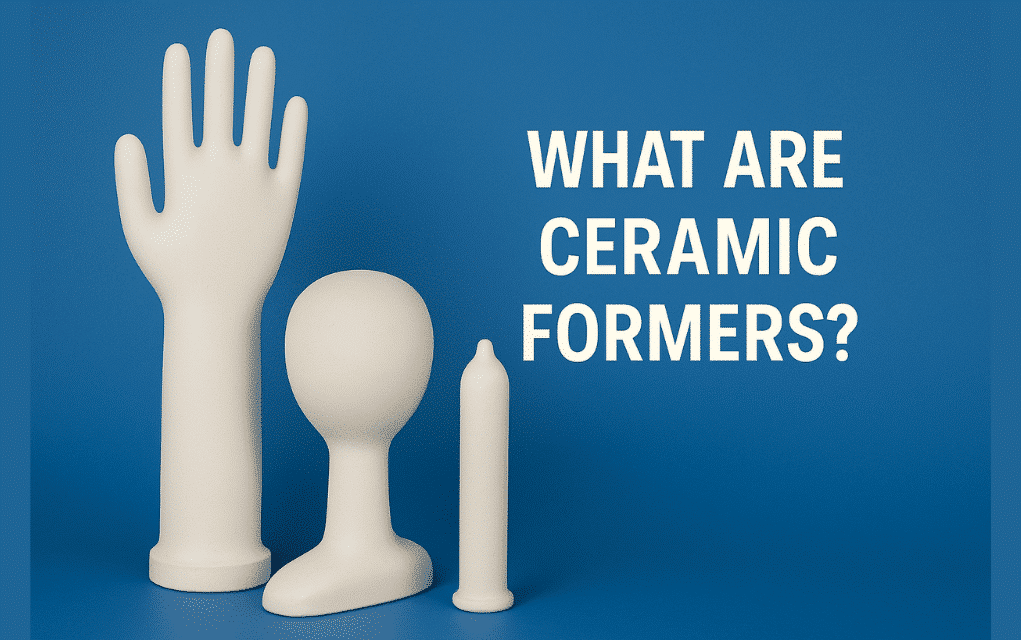
What are Ceramic Formers?
Ceramic formers are ceramic wares that are casted into required shapes and sizes, then fired at temperatures up to 1250°C. This fired ceramic pieces are used as a dipping molds in the production of various rubber products. In gloves or other product
Venkatmani
Manufacturing
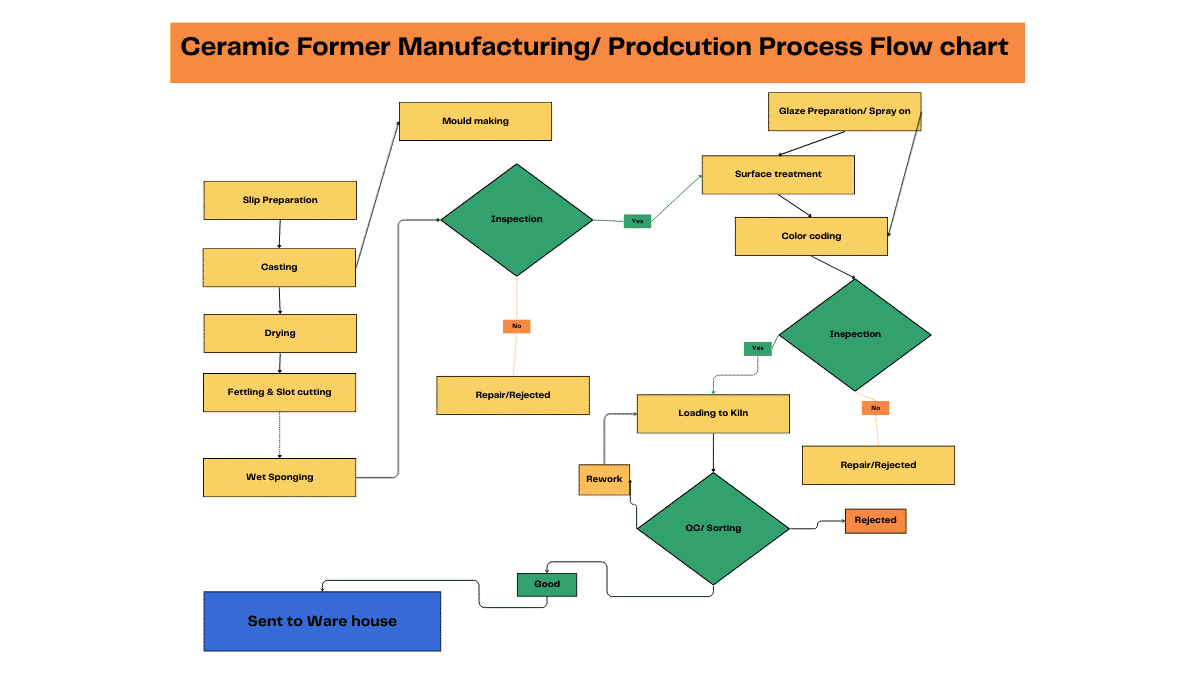
Ceramic Formers Manufacturing/Production Process
Ceramic formers production/manufacturing process consists of the following 10 steps. [toc] 1. RM & Slip Preparation The ball clay, china clay, calcined alumina, quartz, and feldspar are mixed according to the former body formulation and charged i
Venkatmani
Defects
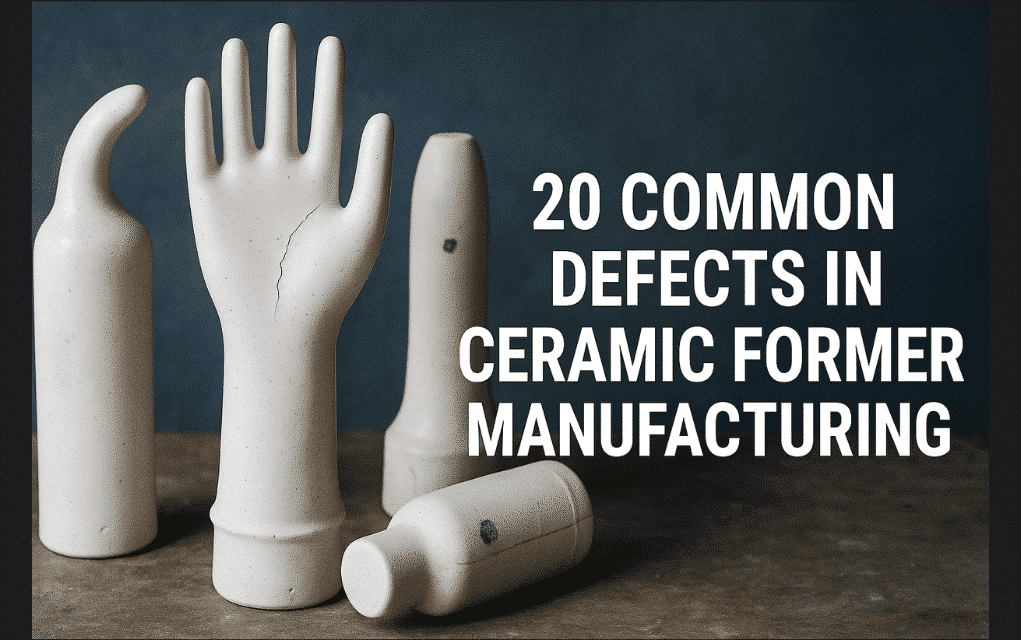
20 Common Defects In Ceramic Formers Manufacturing
We have listed 20 common defects in ceramic former manufacturing. Defects increase rework, energy consumption, and production cost. Finding and solving the root cause of the defect and reducing the defects improves the factory production efficiency a
Venkatmani
Raw Materials
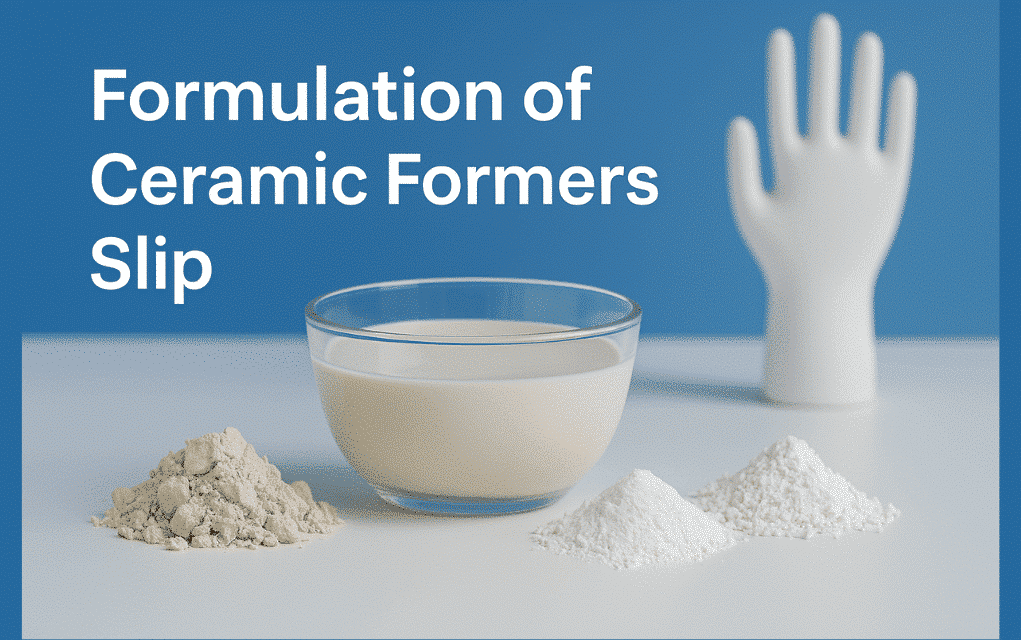
How to Formulate Ceramic Formers Slip? Properties, RM & Formula
A perfect formulation of ceramic formers body or slip ensures that the material meets all the requirements for both production process handling and final product performance. Before we discuss the formulation in detail, let us first look at the key p
Venkatmani
Careers
Top 20 Ceramic Associations around the World
Ceramic associations are vital to the growth of the industry, and they provide a platform to connect the ceramic industry, professionals, and students. We have listed 20 ceramic associations around the world with the website link. These associations
Venkatmani
Raw Materials
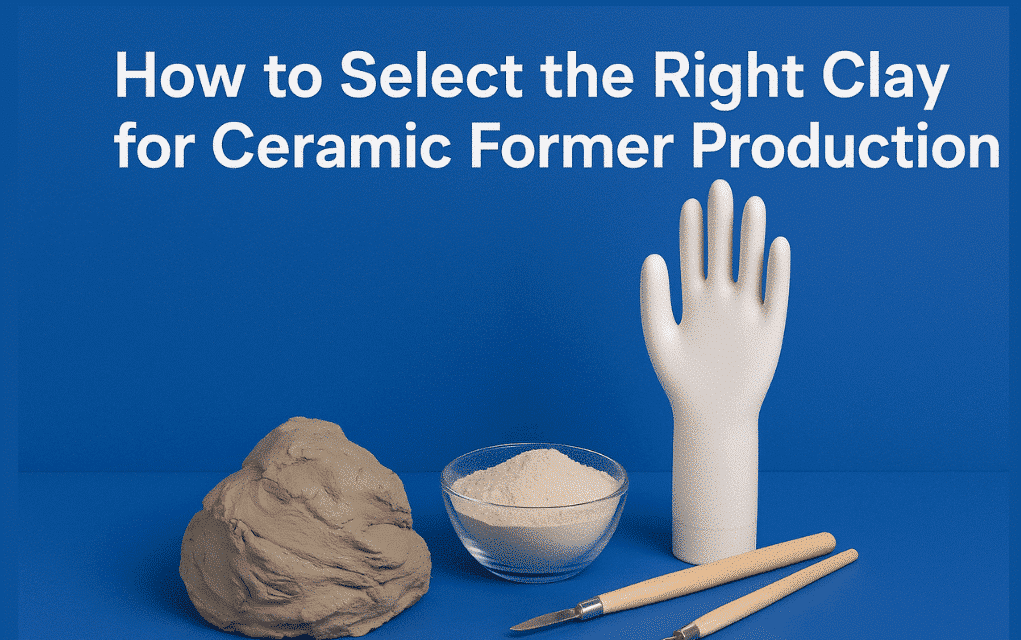
How to Select the Right Clay for Ceramic Former Production
Selecting suitable clay for the ceramic formers is very crucial because around 50% of the formulation of ceramic hand formers consists of clay. Below are the properties that we expect clay to contribute to the slip/body. This is suitable for both bal
Venkatmani
Testing & Quality
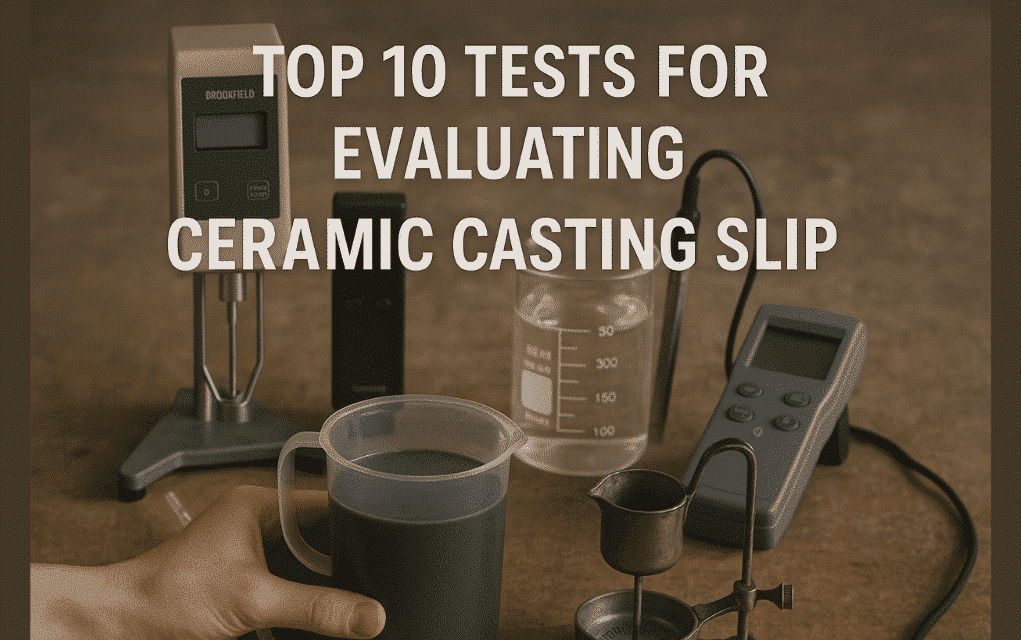
10 Tests for Evaluating Ceramic Casting Slip
Slip casting is one of the traditional forming methods used in the ceramics production process. The slip is prepared and cast in the mold, which may be made of plaster of Paris or resin. Then excess slip is unloaded, and the formed cast piece is demo
Venkatmani