Practical ceramic knowledge
Practical Ceramic Articles
Troubleshooting, materials, firing, production, and equipment guidance for ceramic work.
14 articles available
Showing 14 of 14 unique articles
Automation
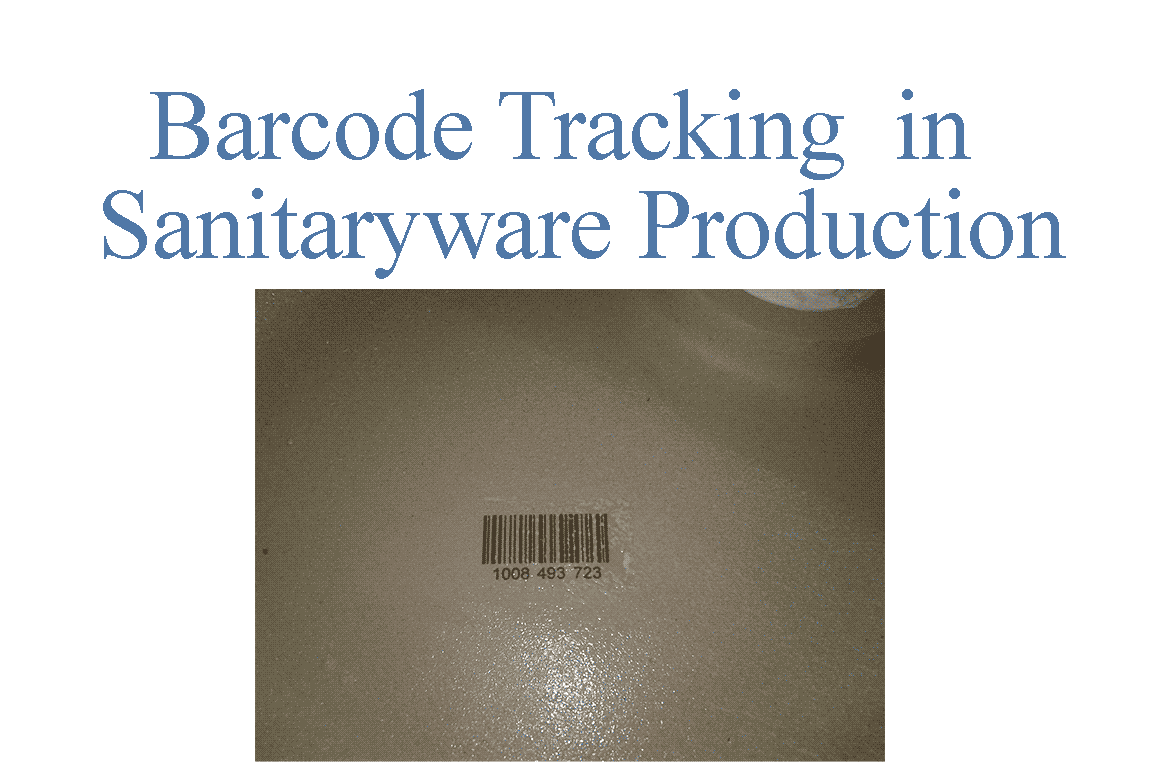
Barcode Tracking in Sanitaryware: An Overview
Bar code tracking is used in Sanitaryware production line to find real time and accurate information about the work in process product, stock inventory in every stage of the production. Procedure: Barcode tracking in sanitaryware https://www.youtube.
Venkatmani
Raw Materials
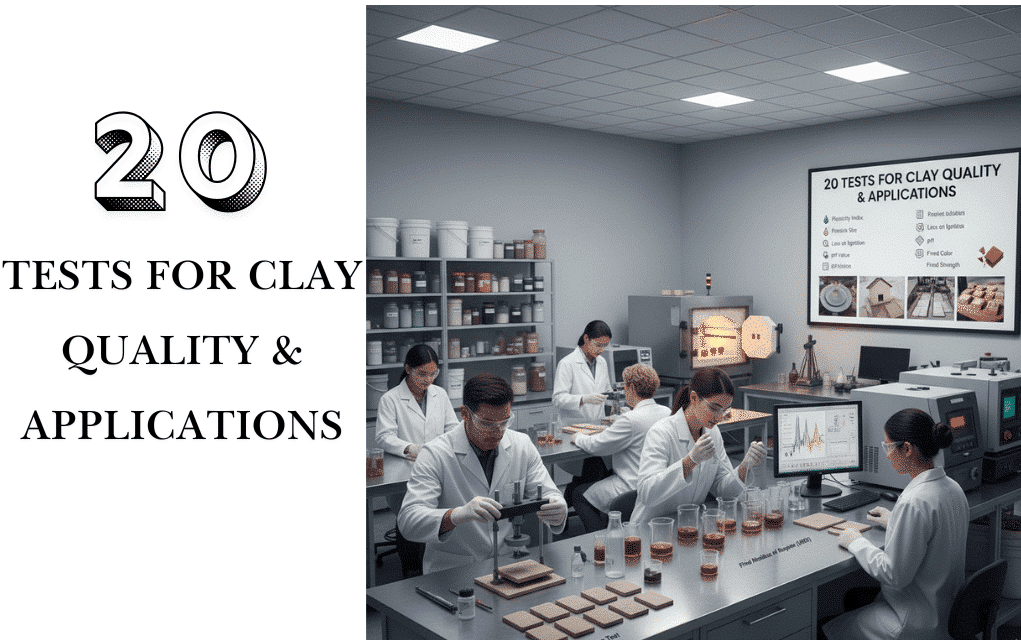
20 Tests to determine Clay Quality and Applications
Clays are used in different industries and processes based on their property requirements. Therefore, clay is tested for various properties to better understand its behavior. Below are the twenty-plus tests to understand the clay properties. These te
Venkatmani
Testing & Quality
Shrinkage Test for Ceramic Body: Methods & Analysis
Learn how the shrinkage test is done for ceramic body and slip. Covers types of shrinkage, test procedure, and the shrinkage calculation formulas.
CeramicNinja
Testing & Quality
MOR Test for Ceramic Products: Methods & Analysis
Learn what MOR (Modulus of Rupture) test is and how it is done for ceramic products. Covers the test procedure, calculation formula, and its importance.
CeramicNinja
Testing & Quality
Warpage Test for Ceramic Body: Methods & Analysis
Learn how the warpage test is done for ceramic body and slip. Understand the test method and why low warpage is important for fired ceramic products.
CeramicNinja
Testing & Quality
LOI Test for Ceramic Raw Materials: Methods & Analysis
Learn what LOI (Loss on Ignition) test is and how it is done for ceramic raw materials. Covers the step-by-step method and LOI calculation formula.
CeramicNinja
Testing & Quality
Casting Rate Test for Ceramic Slip: Methods & Analysis
Learn how the casting rate test is done for ceramic slip. Understand the test procedure, key measurements, and its importance for sanitaryware.
CeramicNinja
Testing & Quality
Water Absorption Test for Ceramic Fired Products: Methods
Learn how water absorption is tested in ceramic fired products. Understand the step-by-step method and the accepted limit for sanitaryware.
CeramicNinja
Testing & Quality
Colour Test for Ceramic Glaze: Methods & Analysis
Learn how colour testing is done for ceramic glaze and raw materials using a spectrophotometer. Covers L*, a*, b* values and colour difference.
CeramicNinja
Testing & Quality
Density Testing of Ceramic Slip: Methods & Analysis
A pycnometer is used to check the density of slip.
CeramicNinja
Testing & Quality
Fired Glaze Color in Ceramics: Testing & Analysis
Learn how the fired glaze colour is tested using a spectrophotometer. The LAB value and delta E help check colour consistency between batches.
CeramicNinja
Testing & Quality
Lab Testing in the Glazing Department for Ceramics
The Lab tests moisture content and glaze flow in the glazing department to make sure sanitaryware is processed correctly before spraying.
CeramicNinja
Testing & Quality
Drying Time Test for Glaze in Ceramic Manufacturing
The drying time test for glaze uses a metal ring of 50mm diameter and 3mm thickness to measure how fast glaze dries on a clay piece.
CeramicNinja
Testing & Quality
Heat Work with Buller's Rings in Ceramic Kiln Firing
Bullers rings are used for understanding the heat work in the kiln, providing better insights than just monitoring the temperature profile. In a tunnel kiln, the number of Bullers rings used each day depends on factory requirements since they add to production costs.
CeramicNinja